
There is a point in many kids’ reading lives when the shelves start to feel confusing.
Picture books may still be beloved. Early readers might feel too simple. Traditional chapter books can look like walls of text. Parents start wondering whether their child is “supposed” to move on
The good news is that this does not have to be a sharp transition. Illustrated chapter books can sit comfortably in the middle: longer stories divided into chapters, with artwork appearing throughout to help make the reading experience inviting and visually interesting.
Instead of asking which format is better, it helps to ask which format fits your child right now.
What is a picture book?
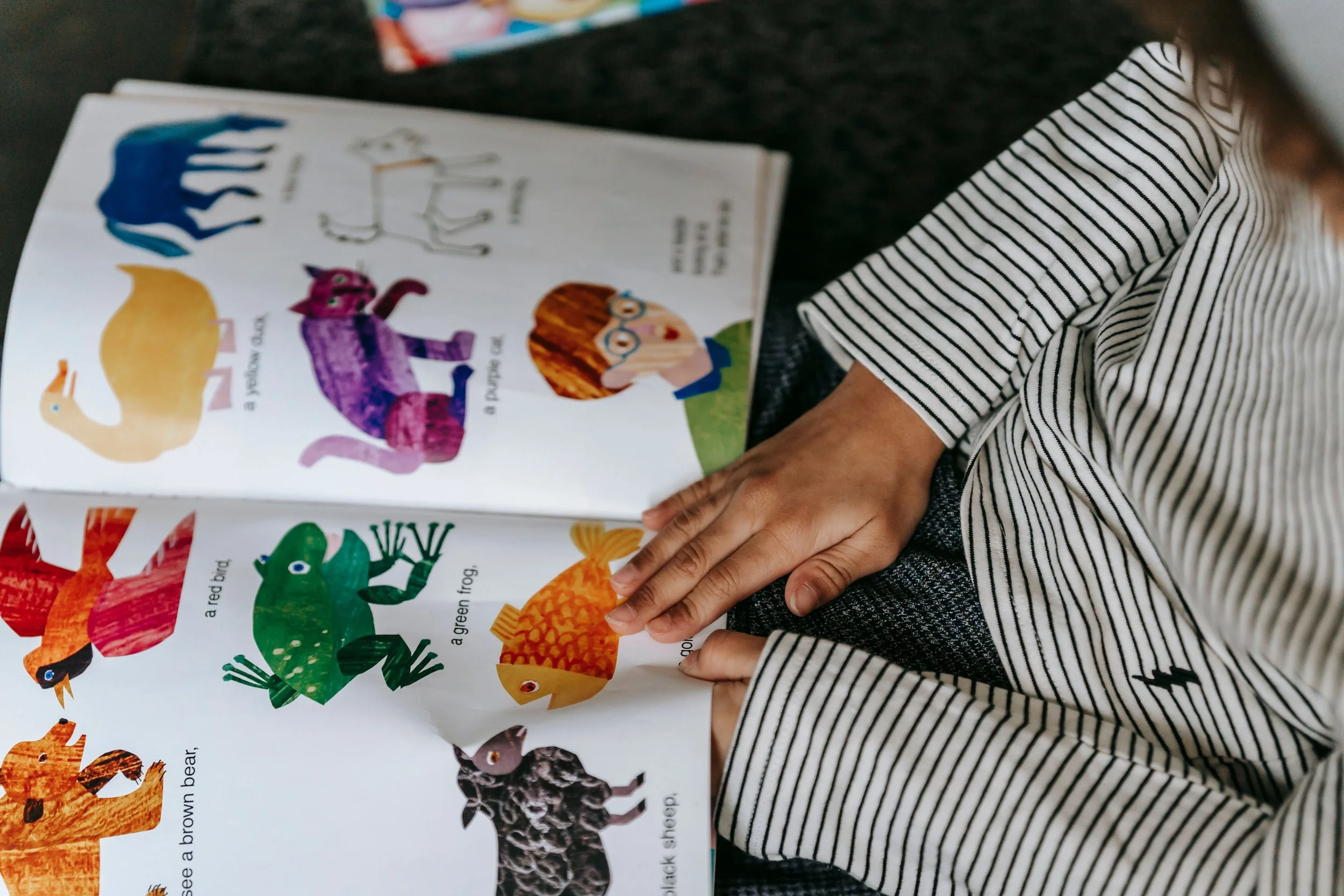
Picture books are stories in which the words and images usually work very closely together. The illustrations are central to the reading experience, and the story is often designed to be enjoyed in one sitting.
Picture books are not only for children who cannot read independently. Older kids can still enjoy sophisticated humor, beautiful art, emotional stories, nonfiction, and read-aloud time through picture books.
There is no need to “graduate” from them.
What is an illustrated chapter book?
An illustrated chapter book gives a reader a longer story broken into chapters while still including visual moments along the way.
Depending on the book, those illustrations may appear at chapter openings, as small spot illustrations, or as larger scenes. Some books use art frequently; others use it more sparingly.
The important difference for a growing reader is the experience: there is more text and a longer narrative to follow, but the book still provides visual breathing room.
Signs your child may enjoy illustrated chapter books
Age is only one clue. Reading readiness is often easier to see through behavior.
Your child may be ready to experiment with illustrated chapter books if they:
Can follow a story over multiple reading sessions.
Ask what happens next when you stop reading.
Enjoy listening to longer read-alouds.
Like recurring characters and series.
Can handle pages with more text when illustrations appear regularly.
Seem curious about chapter books even if they are not ready to read them entirely alone.
A child does not need to check every box. You can also read an illustrated chapter book together. You read one page, they read the next. You read the harder sections. They follow the illustrations. There is no rule that says moving into chapter books has to mean independent reading from page one.
Why illustrations can make the transition easier
A page of uninterrupted text can feel enormous to a child who is used to illustrated books. Artwork changes the rhythm of the page. An illustration can offer a natural pause. It can help establish where a scene is taking place. It can show emotion that may not be stated directly. It can give a child something to anticipate as they move through a chapter.
Most importantly, illustrations can make a book feel welcoming.
That matters because the goal is not simply to get children through harder books. The goal is to help them build a reading life they want to return to.
Try the first-chapter test. If you are unsure whether a book is a good fit, do not overthink it. Choose one together and read the first chapter. Then stop. If your child asks what happens next, you have your answer.
If they wander away halfway through, that is information too. Maybe the story did not interest them. Maybe the book felt too difficult. Maybe they are tired. Maybe they would rather read something else.
You can try again. Books are not levels to pass.
A few things to look for when choosing
For a child who is new to chapter books, I would pay attention to:
Chapter length. Shorter chapters can create frequent feelings of progress.
White space. Pages that breathe can feel more approachable.
Illustration frequency. A child who loves visual storytelling may prefer artwork throughout rather than only at chapter openings.
The hook. The first few pages should give your child a reason to care.
Subject matter. A “perfectly leveled” book about something they do not care about is still a poor match.
Series potential. If they love the first book, knowing there is another adventure waiting can be powerful.
The transition does not have to be linear. Your child might read a chapter book on Monday, a graphic novel on Tuesday, and ask you to read a picture book on Wednesday.
That is not moving backward. That is reading! A healthy reading life can include many formats, difficulty levels, subjects, and moods.
The best next book is not necessarily the one that looks the most advanced. It is the one that makes a child want to turn the page.
A DoodlePie note
The Suitcase Summers: The Lost Crown of the Isle was created for this growing-reader stage: an illustrated chapter-book adventure for ages 7–10 with mystery, travel, family, magic, and black-and-white illustrations throughout.
But whether your child chooses The Suitcase Summers or something completely different, I hope you give them permission to choose books because they look fun.
That instinct is worth protecting.
